Key Differences Between Rooftop Solar Panels and Ground-Mounted Systems
Powering Haiti with Smarter Solar Solutions
As Haiti embraces a solar revolution amid energy instability, understanding the best type of installation is crucial. At Lòkasyon Clean Renewable Energy (LCRE), we bring over 25 years of experience in solar power. Whether you’re exploring rooftop solar panels in Haiti or ground-mounted systems, this guide will help you choose the right solution for your home or business.
Call Now: +509 37 01 1164 or Contact Us to get a free consultation!
1. Installation Basics: Rooftop vs Ground-Mounted
Rooftop Solar Panels in Haiti
Rooftop systems are mounted directly on residential or commercial building roofs. They’re highly space-efficient and ideal for urban settings where ground space is limited.
Advantages:
- Utilizes unused roof space
- Cost-effective installation
- Aesthetically integrated into building design
- Great for off-grid solar installations in Haiti
Disadvantages:
- Limited to roof size and orientation
- May require roof reinforcement
- Harder to access for maintenance
Ground-Mounted Solar Systems
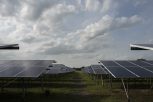
Installed on the ground using a frame or pole system, these offer flexibility in placement and size, making them suitable for rural areas or open land.
Advantages:
- Optimal tilt and orientation for max output
- Easier to maintain and clean
- Scalable for larger energy needs
Disadvantages:
- Requires significant land area
- Higher installation cost
- More susceptible to theft or damage if not secured
2. Cost & ROI Comparison
Feature
Rooftop Solar Panels Haiti
Ground-Mounted Systems
Installation Cost
Lower
Higher
Maintenance
Moderate
Easier
Energy Output
Good (depends on roof)
Excellent (custom orientation)
Ideal For
Urban homes, small spaces
Farms, businesses, rural zones
3. Which One Is Best for Haiti’s Climate and Energy Crisis?
Given Haiti’s need for clean energy services and off-grid solar installations, rooftop panels provide a quick, cost-effective solution for homes. Ground-mounted systems, however, are ideal for larger-scale applications and community microgrids, as shown in this GCF project.
In fact, solar microgrids are empowering women and improving livelihoods across Haiti (REN21 Snapshot). These systems combine solar with storage and can serve over 2,000 people—something ground-mounted setups handle better.
4. Environmental and Economic Impact
According to Cipher News, since 2021, solar has increased productivity and income across Haiti. Ground-mounted farms help reduce fossil fuel dependence. On the other hand, rooftop systems help residential homes break free from unreliable grid connections.
See how solar is reducing reliance on fossil fuels in Miami’s over-canal solar pilot.
5. Real-World Projects in Haiti
As highlighted in PV Know How’s insights, both rooftop and ground-mounted solar are being deployed for hospitals, schools, and communities.
Which Should You Choose?
Choose Rooftop Solar Panels Haiti if:
- You have limited ground space
- You want a quicker and more affordable installation
- You’re in an urban setting
Choose Ground-Mounted Systems if:
- You own large open land
- You need maximum power generation
- You’re setting up a mini-grid or farm solution
Still unsure? Let our team at LCRE help you decide what fits best.
Frequently Asked Questions (FAQs)
Q1. What is the average lifespan of rooftop solar panels in Haiti?
Most rooftop panels last 25 years or more with proper maintenance—especially in sunny climates like Haiti.
Q2. Can I combine rooftop and ground-mounted solar systems?
Yes. Hybrid solutions are common, especially for larger properties or commercial needs.
Q3. Is ground-mounted solar more efficient than rooftop?
Generally, yes—because they can be adjusted for optimal sunlight angles, especially for off-grid solar installations Haiti.