Photovoltaic Installations in Haiti: Professional & Reliable Solar Solutions
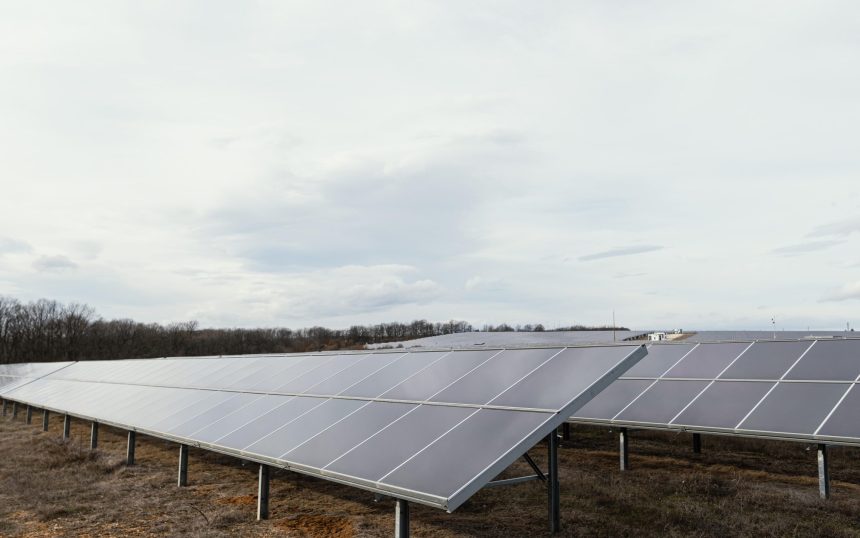
In Haiti, access to electricity is often the dividing line between business success and failure. With a national grid that provides as little as two hours of service daily for many, photovoltaic installations in Haiti have transitioned from a luxury to an absolute necessity. Whether you are powering a hospital in Cap-Haïtien, a school in Port-Margot, or a home in Port-au-Prince, professional solar PV systems offer the only path to true energy independence.
What Are Photovoltaic Solar Systems?
A photovoltaic (PV) system is a technology that captures sunlight and converts it directly into electricity through the “photovoltaic effect.” Unlike simple backup batteries that still rely on the grid to charge, a full photovoltaic solar system in Haiti generates its own power, making you the owner of your own utility.
Core Components of a Professional Setup:
- Tier-1 Solar Panels: High-efficiency modules (preferably Monocrystalline) that capture energy even in high-heat conditions.
- Pure Sine Wave Inverters: The “brain” of the system that converts DC power from panels into clean AC power for sensitive electronics.
- Lithium Storage (LiFePO4): Advanced batteries that handle Haiti’s heat and last 10+ years compared to the 2-year lifespan of traditional gel batteries.
- Hurricane-Rated Mounting: Racking systems designed to keep panels secure during 150+ mph winds.
Why Professional PV Installations are Vital for Haiti
Haiti is a “renewable energy powerhouse” waiting to happen, with an average of 5.2 peak sun hours per day. Professional solar PV installations in Haiti solve three major problems:
- Eliminating the “Fuel Trap”: Relying on diesel generators (delcos) means you are a victim of fuel shortages and price spikes. A PV system has a $0 fuel cost for its entire 25-year lifespan.
- Uninterrupted Healthcare & Education: Reliable power allows hospitals to perform emergency surgeries at night and schools to use computers and fans without the fear of the lights flickering out.
- Economic Resilience: For businesses, the “return on investment” (ROI) in Haiti is exceptionally fast—often paying for itself in 3 to 5 years by replacing expensive diesel and unstable grid fees ($0.23/kWh).
Step-by-Step: Getting a Professional Installation
A reliable system requires more than just buying parts; it requires engineering.
1. The Energy Audit
A professional installer doesn’t guess. They calculate your “critical load” (lights, fridge, internet) vs. your “luxury load” (AC, water pumps). This ensures your battery bank is sized to survive the night.
2. Tropical-Specific Design
In Haiti, temperatures can reach 40°C (104°F). Professional photovoltaic solar systems in Haiti use components with high thermal stability and ventilated mounting to prevent power drops caused by heat.
3. Hurricane Mitigation
Safety is paramount. Professional installers bolt mounting racks directly into structural concrete beams or use weighted ballast systems that are engineered for Caribbean wind zones.
Expert Note: Many “DIY” systems in Haiti fail because they use undersized wires. We use UV-rated, thick-gauge DC cabling to prevent energy loss and potential fire hazards from the intense Caribbean sun.
Cost and Performance Expectations
While the initial cost of solar panel installation services in Haiti might seem high, the long-term savings are undeniable.
- Residential (3kW – 5kW): Ideal for homes, providing enough power for lights, fans, refrigerators, and electronics.
- Commercial (10kW+): Designed for businesses and clinics, capable of running heavy equipment and significantly reducing operational overhead.
- Maintenance: Beyond cleaning the panels once a month to remove dust, a professional system is largely “set it and forget it.”
FAQ: Professional Solar PV in Haiti
Is solar really cheaper than a generator?
Yes. A generator costs you money every time you turn it on (fuel + oil + repairs). A photovoltaic installation is a one-time capital expense. After 4 years, your electricity is essentially free.
Can I run an air conditioner on solar?
Absolutely. However, AC units require a significant amount of power. We recommend using “Inverter AC” models and a larger Lithium battery bank to handle the overnight load.
How do I maintain my panels in Haiti’s dust?
Dust is a major factor in Haiti. We recommend a simple rinse with water and a soft cloth every 30 days. This can increase your system’s efficiency by up to 20% during the dry season.
Will the panels survive a hurricane?
If installed professionally with certified aluminum racking and proper anchoring, panels are designed to stay secure. It is the quality of the installation, not just the panels, that determines survival.
Final Thoughts: The Future is Solar
The transition to photovoltaic solar systems in Haiti is the most effective way to protect your family or business from the country’s energy crisis. By investing in professional installation today, you are securing a future where the lights always stay on.
- Call Us : +509 37 01 1164