Photovoltaic System Design and Installation Services for Reliable Solar Power
In 2026, achieving energy independence requires more than just buying panels; it demands precision engineering. Photovoltaic system design and installation is the specialized process of engineering a solar power plant tailored to specific energy needs, local climate conditions, and structural requirements. This end-to-end service ensures that sunlight is captured, converted, and stored with maximum efficiency, providing a consistent electricity supply even where the local grid is unstable.
For those seeking long-term resilience, professional photovoltaic system design and installation for residential and commercial projects offers a bridge to total energy sovereignty. By moving away from “off-the-shelf” kits and toward custom-engineered solutions, property owners can ensure their investment survives tropical environments and delivers high-performance power for decades.
What Is Photovoltaic System Design and Installation?
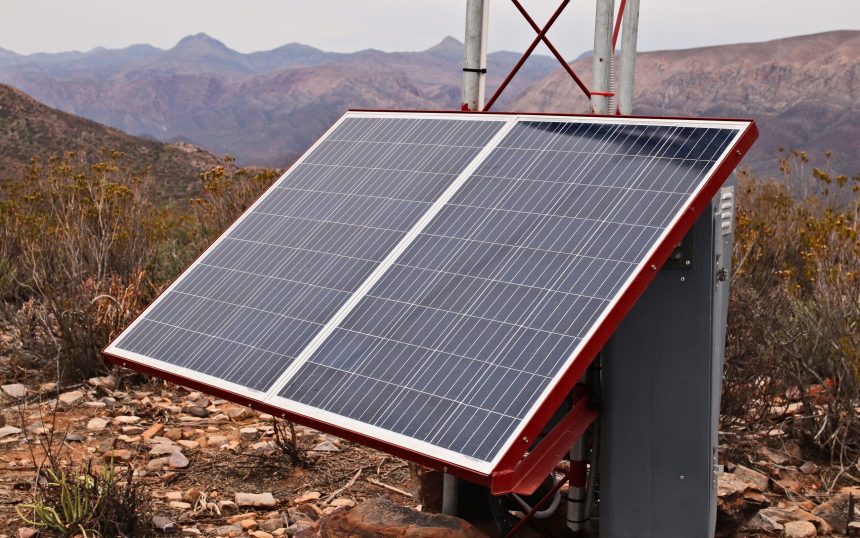
Photovoltaic (PV) system design and installation is the technical discipline of creating a solar energy plant that integrates photovoltaic panels, power inverters, racking systems, and battery storage. The “design” phase involves complex electrical calculations, shading analysis, and structural assessments. The “installation” phase is the physical deployment of these components by certified technicians to ensure safety, local code compliance, and peak performance. Unlike basic solar setups, a professional PV system is built to function as a primary or mission-critical power source.
Why Expert PV Services Matter in Haiti
Haiti’s unique geographic and infrastructure challenges make professional expertise essential. Utilizing photovoltaic system design and installation is vital for:
- Grid Independence: Creating a robust “off-grid” or “hybrid” system that eliminates reliance on an inconsistent national utility.
- Climate Resilience: Ensuring racking and mounting are engineered to withstand the high winds and humidity typical of the Caribbean.
Optimized ROI: Proper design prevents “energy clipping” and battery degradation, ensuring the system pays for itself through fuel and utility savings within a few years.
Step-by-Step: The Path to Professional Solar Integration
Achieving a reliable power supply requires a transition from “temporary fixes” to a “data-backed strategy.”
1. Energy Load Discovery
We begin by auditing your actual consumption. We don’t just guess; we measure peak loads and daily averages to ensure the PV system design and installation services provide enough “buffer” to keep your lights on through cloudy days.
2. Custom Engineering & Layout
We map out the array to maximize sun exposure throughout the day. This includes selecting the right technology—such as N-type monocrystalline panels—and the correct inverter capacity to handle the startup surge of motors and compressors.
3. Precision Installation & Commissioning
Our technicians handle the high-voltage electrical integration, ensuring all wiring is UV-protected and properly grounded. We conclude with “commissioning,” a rigorous testing phase to verify that every component is communicating and producing power as expected.
Comparison: Professional PV Systems vs. Basic Kits
Feature | Standard Retail “Kit” | Professional PV System Design |
Engineering | One-size-fits-all | Custom-built for your specific load |
Component Quality | Generic / Entry-level | Tier-1 Industrial Grade Hardware |
Battery Life | 2–4 years (Lead-acid) | 10–15+ years (Lithium LiFePO4) |
Hurricane Rating | Often non-existent | Category 4/5 Rated Mounting |
Warranty Support | Limited or difficult to claim | Full Manufacturer & Workmanship Warranty |
Best Practices for Solar Success in Haiti
- Insist on Shading Analysis: Even a small amount of shade on one panel can significantly drop the output of the entire string. Professional solar photovoltaic system installation includes a 3D shading map of your roof.
- Prioritize Lithium Storage: In the Haitian heat, lithium batteries (LiFePO4) outperform lead-acid in both longevity and safety. They are the 2026 standard for reliable solar power.
- Remote Monitoring: Ensure your system includes a Wi-Fi or cellular gateway. This allows you to monitor your “State of Charge” from your phone and enables technicians to troubleshoot remotely.
Common Mistakes to Avoid
- Ignoring Local Soil/Roof Conditions: Installing heavy arrays on weak structures or using incorrect anchors in coastal salt air leads to catastrophic failure.
- Under-sizing the Inverter: Trying to save money on the inverter often means you can’t run essential items like water pumps or air conditioners simultaneously.
- Bypassing Surge Protection: Haiti’s electrical environment is prone to surges. A professional installation includes specialized DC and AC surge protection devices to save your “brain” components from lightning or grid spikes.
Frequently Asked Questions (FAQs)
How long does the installation take?
While the design phase takes 1–2 weeks, a typical residential photovoltaic system design and installation is usually completed on-site in 3 to 5 days.
Can a PV system power a whole business?
Yes. Professional commercial designs are specifically engineered to handle industrial loads, including refrigeration, manufacturing equipment, and large office complexes.
What is the lifespan of a PV system?
Modern solar panels are rated to last 25 to 30 years, while high-quality inverters and lithium batteries typically last 10 to 15 years before needing a refresh.
Final Thoughts: Ownership of Your Energy Future
In 2026, photovoltaic system design and installation is the ultimate tool for economic resilience. By moving away from fossil fuel dependence and toward a professionally engineered solar solution, you are securing a quiet, clean, and cost-effective future for your home or business.
Take control of your power today:
+509 37 01 1164 for a custom PV system design.