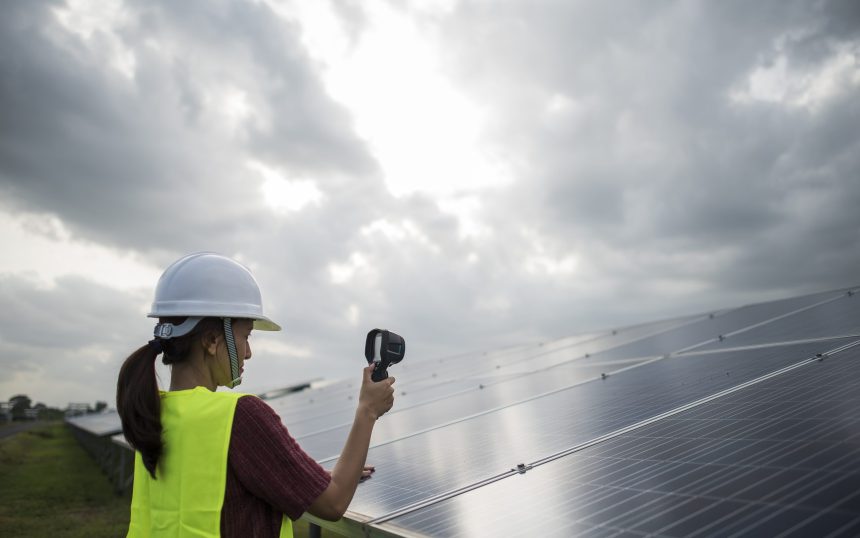
Electrical and Solar Engineering in Haiti for Reliable Power Solutions
In Haiti, energy is the backbone of recovery and growth. With the national grid (EDH) often providing inconsistent service and fuel shortages making diesel generators a costly gamble, electrical and solar engineering in Haiti has become a critical necessity. Whether you are managing a medical facility in Port-au-Prince or a remote school in the Central Plateau, professional engineering ensures that your power system is not just installed, but built to survive and perform for decades.
What Is Electrical and Solar Engineering?
Electrical and solar engineering services in Haiti involve the professional design, integration, and management of power systems. It is the science of ensuring that solar panels, battery banks, and existing electrical wiring work in perfect harmony. Unlike a simple “plug-and-play” setup, engineering-led projects focus on:
- System Sizing: Calculating the exact load requirements so you never run out of power.
- Protection Engineering: Installing advanced surge protection and grounding to defend against lightning and grid spikes.
- Hybrid Integration: Seamlessly blending solar with generators or the national grid for 24/7 reliability.
Why Engineering Services Matter for Haiti
The Haitian environment is uniquely challenging for energy systems. Renewable energy engineering in Haiti addresses local hurdles that standard kits often ignore:
- Hurricane Resilience: Engineering-certified mounting structures are required to withstand tropical storm-force winds.
- Heat Mitigation: Professional electrical system design in Haiti includes thermal management to prevent battery degradation in 95°F+ temperatures.
- Economic Impact: A well-engineered system can reduce diesel consumption by up to 70%, allowing businesses and NGOs to reinvest thousands of dollars back into their core missions.
Step-by-Step: Developing a Reliable Renewable Energy Project
Successful electrical and solar engineering services for renewable energy projects in Haiti follow a rigorous technical process:
1. Comprehensive Energy Diagnostic
We begin with a data-driven load audit. By measuring your peak demand and total daily watt-hour usage, we eliminate the guesswork that leads to system failure.
2. Strategic System Design
Our engineers create a blueprint that includes string sizing, voltage drop calculations, and single-line diagrams. This stage ensures that the system is safe, efficient, and compliant with international standards (NEC).
3. Component Sourcing & Quality Control
We specify “Tier 1” hardware—such as Lithium (LiFePO4) batteries and high-efficiency monocrystalline panels—that are proven to last in the Caribbean climate.
4. Professional Commissioning
Before hand-off, the system undergoes functional testing. This ensures all safety disconnects, charge controllers, and inverters are configured for maximum longevity.
Examples of Successful Engineering in Haiti
- Healthcare: Hospitals like Justinien University Hospital have transitioned to solar-heavy models, reducing fuel costs by over 60% and ensuring life-saving equipment never shuts down.
- Community Microgrids: In areas like Les Anglais and Thoman, solar-based microgrids now provide 24/7 electricity to hundreds of homes and local businesses.
Best Practices for Solar Success
- Insist on Surge Protection: Haiti is prone to lightning. Never skip DC and AC surge arrestors.
- Plan for Expansion: An engineered design allows you to add more panels or batteries in the future without replacing your entire system.
- Monthly Maintenance: Keep panels clean of Haiti’s dust to maintain 100% efficiency.
FAQs (Frequently Asked Questions)
Why is professional engineering better than a DIY kit?
A DIY kit is “one size fits all,” which rarely works for Haiti’s specific heat and humidity. Professional engineering ensures the system is tailored to your specific roof, load, and local climate.
How long does it take for the system to pay for itself?
For most Haitian businesses and homes, the “Payback Period” is between 36 and 48 months due to the high cost of diesel and grid electricity.
Can you upgrade an existing generator setup to solar?
Yes. Our solar engineering services in Haiti specialize in “Hybrid” systems that allow your generator to act only as an emergency backup, drastically reducing your fuel spend.
Final Thoughts: Power Your Future with Confidence
The transition to clean energy is the most stable investment you can make in Haiti today. By choosing professional electrical and solar engineering, you are securing a future where power is no longer a luxury, but a reliable tool for progress.