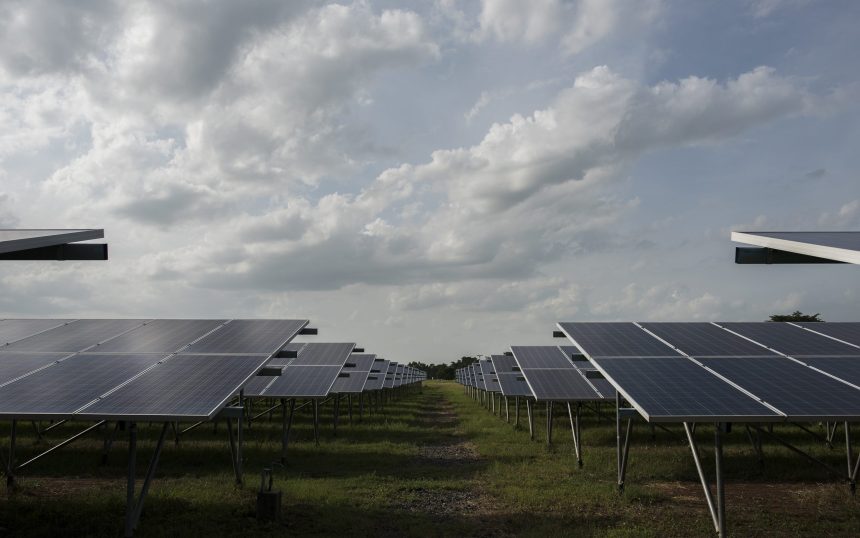
Electrical and Solar Engineering Haiti: Powering a Reliable Future
In a landscape where energy stability is the foundation of progress, electrical and solar engineering in Haiti has become a critical necessity. For homeowners and businesses alike, transitioning from a volatile grid to a self-sustaining power system requires more than just equipment—it requires professional engineering. Expertly designed systems ensure that your investment translates into decades of uninterrupted, clean electricity.
What is Electrical and Solar Engineering in Haiti?
Electrical and solar engineering in Haiti is the specialized practice of designing, implementing, and managing energy systems that integrate traditional electrical infrastructure with modern photovoltaic (PV) technology. Unlike basic hardware retail, these engineering services provide customized blueprints for energy generation, storage, and distribution, tailored specifically to Haiti’s tropical climate and infrastructure challenges.
How Do Engineering Services Improve Reliable Power Supply in Haiti?
Professional electrical and renewable energy engineering solutions in Haiti solve the “reliability gap” by addressing three core pillars:
- System Synchronization: Engineers ensure that solar arrays, battery banks, and backup generators work in perfect harmony, preventing blackouts during transitions.
- Load Management: By analyzing your specific energy consumption patterns, engineers design systems that handle peak loads (like air conditioning or industrial machinery) without tripping breakers.
- Advanced Protection: Professional designs include robust grounding and surge protection, which are vital in Haiti to protect expensive equipment from lightning strikes and grid fluctuations.
Step-by-Step: Implementing a Solar Power and Electrical System Installation in Haiti
Achieving energy independence is a structured process that ensures safety and efficiency:
- Energy Audit & Site Assessment: Engineers measure your daily Watt-hour usage and evaluate roof structural integrity and solar orientation.
- Custom Engineering Design: A technical schematic is created, selecting the right balance of Monocrystalline panels, Lithium-ion storage, and hybrid inverters.
- Procurement of Certified Components: Sourcing Tier-1 equipment that can withstand high humidity and salt-mist environments.
- Professional Installation: Qualified technicians execute the wiring and mounting according to international safety standards.
- System Commissioning: Rigorous testing of all fail-safes before the system is handed over to the client.
Need a professional energy audit? Contact LCRE Solutions today to schedule your site assessment.
Case Study: Solar Engineering in Action
In recent projects across Port-au-Prince and Cap-Haïtien, professional electrical and solar engineers in Haiti have successfully converted commercial warehouses to 100% solar autonomy. By replacing diesel generators with engineered solar arrays, these businesses reduced their operational energy costs by over 70% within the first year.
Best Practices & Expert Tips for 2026
- Prioritize Battery Chemistry: In 2026, Lithium Iron Phosphate (LiFePO4) is the gold standard for Haiti due to its high heat tolerance and long cycle life.
- Remote Monitoring: Ensure your system includes a Wi-Fi or cellular gateway so engineers can troubleshoot your system remotely.
- Don’t Skimp on Racking: Use anodized aluminum mounting to prevent corrosion in Haiti’s coastal air.
Common Mistakes to Avoid
- Undersizing the Inverter: This leads to system shutdowns when multiple appliances start simultaneously.
- Ignoring Local Codes: Non-compliant wiring can lead to legal issues and insurance denials.
- Neglecting Grounding: Haiti’s geography makes lightning protection a non-negotiable part of any solar power and electrical system installation.
FAQs
What is the average cost of solar engineering in Haiti?
Costs vary based on scale (residential vs. industrial), but an engineered system typically pays for itself in 3–5 years through fuel and grid savings.
Can an engineered solar system run my AC 24/7?
Yes. With professional load calculation and sufficient battery storage, solar systems can easily manage heavy loads like air conditioning.
Why shouldn’t I just buy panels and hire a local handyman?
Solar electricity involves high-voltage DC current. Without professional engineering, you risk fire, equipment damage, and voided warranties.
Final Thoughts: Secure Your Power Today
The path to a resilient Haiti starts with reliable energy. By choosing professional electrical and solar engineering Haiti services, you are not just buying power—you are buying peace of mind and economic security.
Ready to transform your energy profile?
- Visit us: lcre.solutions/contact-us/
Call our engineers: +509 37 01 1164