Latest News

Powering Remote Areas with Off-Grid Solar Installations in Haiti

Off-Grid Solar Installations Haiti

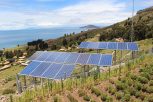
In Haiti, energy access is the ultimate catalyst for change. With over 7 million people currently living without grid access and rural electrification rates hovering below 5%, the need for independent power is critical. Off-grid solar installations in Haiti are no longer a luxury—they are the most viable solution for bringing life-saving electricity to homes, clinics, and businesses in areas the national grid (EDH) cannot reach.

What Are Off-Grid Solar Systems?

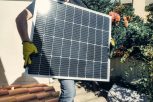
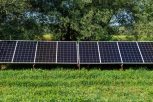
An off-grid (or standalone) solar system is an independent power plant that operates without any connection to the national utility grid. Unlike grid-tied systems, off-grid solar systems in Haiti utilize high-capacity battery banks to store energy generated during the day for use at night.


Core Components Include:


  • Photovoltaic (PV) Panels: Capturing Haiti’s 5.2+ average peak sun hours.
  • Solar Charge Controller: The “traffic cop” that prevents battery overcharging.
  • Battery Bank: Usually Lithium (LiFePO4) for 10+ years of life in tropical heat.
  • Off-Grid Inverter: Converting stored DC power into AC for appliances.

Why Off-Grid Solar Installations Matter for Haiti

Remote area solar installations in Haiti bypass the “logistical nightmare” of traditional infrastructure. They provide a “leapfrog” technology similar to how mobile phones bypassed landlines.

  • Reliability in Isolation: For mountainous or coastal villages like Tiburon or Les Anglais, solar is the only way to power essential services like vaccine refrigeration and clean water pumping.
  • Economic Freedom: Rural businesses using solar corn mills or fish refrigeration can increase their revenue by 25–30% by eliminating expensive, hard-to-find diesel.

Safety & Security: Street lighting and home power reduce crime and allow students to study after dark without hazardous kerosene lamps.

Step-by-Step: Implementing Remote Area Solar Installations

Successfully deploying off-grid solar power systems for remote areas in Haiti requires a specialized approach tailored to the local environment.


1. The Energy Load Audit


We begin by calculating every Watt-hour needed. In remote settings, efficiency is king. We prioritize LED lighting and DC-powered appliances to reduce the overall system size and cost.


2. Tropical-Grade Engineering


Haiti’s climate—high heat, humidity, and salt air—destroys standard equipment. We specify:

  • C5-level corrosion resistance for all mounting hardware.
  • High-temperature batteries that operate safely up to 55°C.
  • Hurricane-rated racking bolted into structural concrete or reinforced beams.
  •  

3. Logistical Planning


Shipping to the southern peninsula or the central plateau involves navigating rough terrain and security risks. A professional installation includes specialized transport and “redundant” parts (sending extra panels) to account for transit damage.


4. Community-Led Maintenance


For a system to last 20 years, local residents must be trained. We involve local technicians in the installation process so they can handle basic cleaning and troubleshooting.

Examples of Impact: Solar in Action

  • Hospitals: Facilities like HUM and HCBH have reduced their fuel spend by $4,000–$60,000 monthly through solar upgrades.
  • Agriculture: Agrivoltaics (solar panels over crops) are being used to protect soil moisture while powering irrigation pumps in arid regions like Aquin.
  • Water Access: Solar-based pumping systems are now providing safe drinking water for over 40,000 people in remote southern districts.

Best Practices & Expert Tips for Remote Success

  • Prioritize Lithium (LiFePO4): Avoid lead-acid batteries; they fail in 18 months in Haiti’s heat. Lithium lasts 10 years.
  • Oversize the Array: Add 20% more panels than you think you need to account for Haiti’s dust and rainy season.
  • Surge Protection: Lightning is common in the mountains. Always install professional DC and AC surge arrestors to protect your inverter.
  •  

Common Mistakes to Avoid

  1. Poor Anchoring: Never “glue” or “weight” panels with rocks. They must be mechanically bolted to survive tropical storms.
  2. Mismatched Strings: Using different brands or ages of panels reduces the entire system’s efficiency to the lowest-performing panel.
  3. Ignoring the Dust: Failing to rinse panels monthly can drop your energy harvest by 20% or more.

FAQs (Frequently Asked Questions)

  • How many solar panels do I need for a remote home in Haiti?

  •  

    For a standard home with lights, a fan, a TV, and a fridge, a 3kW to 5kW system (roughly 6–10 panels) is usually sufficient when paired with 10kWh of lithium storage.

  •  

    Does off-grid solar work during the rainy season?

  •  

    Yes. Modern panels still generate power from “diffuse” light on cloudy days. We design systems with 3 days of autonomy, meaning the batteries have enough storage to power your essentials through a multi-day storm.

  •  

    Is it hard to maintain solar in a remote village?

  •  

    No. Once installed, the main task is cleaning the panels with water. However, it is vital to have a professional check the wire connections and battery health annually.

  •  

    Final Thoughts: The Path to Independence

  •  

    Investing in off-grid solar installations in Haiti is an investment in human dignity. By bringing power to remote areas, we enable healthcare, education, and economic growth that was previously impossible.

  •  

Make a Comment

Your email address will not be published. Required field are marked*

Recent Posts

Categories

Tag Cloud

Cart (0 items)
Select the fields to be shown. Others will be hidden. Drag and drop to rearrange the order.
  • Image
  • SKU
  • Rating
  • Price
  • Stock
  • Availability
  • Add to cart
  • Description
  • Content
  • Weight
  • Dimensions
  • Additional information
Click outside to hide the comparison bar
Compare