Renewable Energy Solutions: A Path to Sustainable and Reliable Power
In an era of rising fuel costs and climate volatility, renewable energy solutions have transitioned from an alternative choice to a primary necessity. For a nation like Haiti, moving toward decentralized, green power is the most effective way to solve chronic energy shortages. By harnessing natural resources, we can build a power infrastructure that is not only eco-friendly but also economically resilient.
What Are Renewable Energy Solutions?
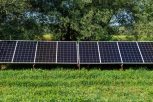
Renewable energy solutions are technologies that capture energy from self-replenishing natural sources—such as sunlight, wind, and water—and convert it into usable electricity. Unlike fossil fuels, these clean and renewable energy solutions produce little to no greenhouse gas emissions and offer a virtually inexhaustible supply of power. In practical terms, this involves the deployment of solar panels, wind turbines, and advanced battery storage systems to create a stable energy loop.
Why Do Sustainable Renewable Energy Technologies Matter for Haiti?
Haiti possesses an extraordinary abundance of natural resources, yet it faces significant energy poverty. Implementing sustainable renewable energy technologies is crucial for several reasons:
- Energy Independence: Reducing heavy reliance on expensive, imported petroleum and diesel.
- Grid Stability: Decentralized solar and wind systems provide “microgrid” reliability, ensuring power even when the national grid fails.
- Operational Savings: While the initial setup requires investment, the long-term cost of sun and wind is zero, drastically lowering monthly overhead for businesses.
How Do Renewable Energy Solutions Help Achieve Sustainable and Reliable Power?
The transition to reliability is achieved through the integration of solar and wind renewable energy systems. By combining these sources with modern storage, we create a “hybrid” effect.
For instance, solar generates peak power during the day, while wind can often supplement energy needs during evening hours or stormy weather. When managed by professional engineering, these systems provide a 24/7 “always-on” power supply that outperforms traditional generators in both consistency and cost.
Step-by-Step: How to Transition to Clean Energy
- Energy Consumption Audit: Analyze your current electricity usage to determine the required system size.
- Resource Mapping: Identify the best locations for solar and wind renewable energy systems based on sun exposure and wind corridors.
- System Design: Engineers create a blueprint that includes PV panels, turbines, inverters, and high-capacity battery storage.
- Professional Installation: Expert mounting and wiring to ensure the system survives high-heat and hurricane-force environments.
- Monitoring & Maintenance: Utilizing smart software to track energy production and battery health in real-time.
Expert Tip: In Haiti, prioritizing solar power is often the fastest route to ROI due to our high solar irradiance levels. Learn more about our specific solar services here.
Best Practices for Implementing Renewable Energy
- Invest in Quality Storage: The reliability of your power depends on your batteries. Lithium Iron Phosphate (LiFePO4) is recommended for its safety and long life in tropical climates.
- Diversify Your Sources: Combining solar with small-scale wind can provide a more balanced energy profile.
- Professional Engineering: Avoid “plug-and-play” kits for high-demand needs; professional design prevents electrical fires and system failure
Common Mistakes to Avoid
- Underestimating Load: Installing a system too small for your needs leads to battery “deep cycling,” which destroys battery life.
- Poor Placement: Placing panels in shaded areas or turbines in low-wind pockets significantly reduces efficiency.
- Neglecting Protection: Failing to install adequate surge and lightning protection can result in total system loss during Haiti’s storm season.
FAQs
Are renewable energy solutions expensive to maintain?
No. Unlike generators that require frequent oil changes and mechanical repairs, solar and wind systems have few moving parts and typically only require periodic cleaning and electrical inspections.
Can I run my entire business on renewable energy?
Yes. Many businesses in Haiti have successfully moved to 100% renewable power by using a properly scaled solar array and battery bank.
What happens when there is no sun or wind?
Modern systems use “energy storage” (batteries) to hold the power generated during peak times, ensuring you have electricity throughout the night or during calm, cloudy days.
Final Thoughts: Power Your Future with LCRE Solutions
The shift toward renewable energy solutions is the single most important investment a Haitian household or business can make in 2026. By choosing sustainable power, you secure your financial future and contribute to a cleaner, stronger Haiti.
Ready to start your journey to energy independence?
- Request a Consultation: Contact LCRE Solutions
- Call Us Directly: +509 37 01 1164