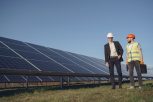
Solar Electricity Haiti: Why It Is the Key to Energy Independence
Haiti faces unique energy challenges, from an inconsistent national grid to the high cost of imported fossil fuels. Solar electricity in Haiti has emerged not just as a “green” alternative, but as a critical necessity for economic stability, healthcare, and daily life. By leveraging the country’s abundant sunshine, residents and businesses can secure a 24/7 power supply that is independent of local infrastructure failures.
What is Solar Electricity and Why is it Crucial for Haiti?
Solar electricity is the process of converting sunlight into functional power using photovoltaic (PV) cells. In Haiti, where the central power grid often provides only a few hours of electricity per day, solar energy acts as a decentralized lifeline. It allows homes, schools, and hospitals to bypass the “blackout culture” and generate their own clean power.
Why Solar Electricity Matters for Haiti in 2026
As we move through 2026, the reliance on traditional diesel generators is becoming increasingly unsustainable due to fluctuating fuel prices and supply chain disruptions. Solar energy offers:
- Energy Security: Protection against grid failure and fuel shortages.
- Cost Savings: Significant reduction in monthly operational expenses after the initial setup.
- Environmental Resilience: A silent, emission-free power source that thrives in Haiti’s tropical climate.
How Does Solar Electricity Work in the Haitian Climate?
Haiti receives high solar irradiance year-round, making it one of the most efficient locations globally for solar production. A standard system consists of rooftop solar panels, an inverter, and a battery storage system (such as Lithium-ion or Lead-acid).
- Capture: Panels absorb sunlight during the day.
- Conversion: The inverter turns DC power into AC power for your appliances.
- Storage: Excess energy is stored in batteries to power your property at night or during cloudy intervals.
Expert Tip: To maximize your Haiti renewable energy production, ensure panels are installed at an optimal tilt to shed dust and catch the peak midday sun.
Step-by-Step: How to Transition to Solar Energy
- Energy Audit: Calculate your daily Watt-hour usage (fridge, lights, AC, etc.).
- System Design: Choose a system size that covers your peak loads and provides enough “days of autonomy” (battery backup).
- Professional Installation: Use certified technicians to ensure safety and prevent electrical fires.
- Maintenance: Keep panels clean from dust and monitor battery health via mobile apps.
Ready to start? Call us today at +509 37 01 1164 to speak with a Haiti energy expert.
Common Mistakes to Avoid with Haiti Solar Installations
- Undersizing the Battery Bank: This leads to deep discharges that shorten battery life.
- Using Low-Quality Inverters: Haiti’s heat can cause cheap electronics to fail prematurely.
- Poor Placement: Shading from trees or nearby buildings can reduce efficiency by up to 50%.
Frequently Asked Questions (FAQs)
Is solar electricity reliable during hurricane season?
Yes, if installed correctly. Modern mounting systems are designed to withstand high winds, and solar allows you to have power even when the main grid is knocked out by a storm.
How long do solar panels last in Haiti?
Most high-quality Tier-1 solar panels are rated for 25 to 30 years of effective power production.
Can I run my air conditioner on solar?
Absolutely. With a properly sized solar array and a modern inverter-technology AC unit, you can run cooling systems entirely on solar power.
Conclusion: Taking Control of Your Power
Solar electricity in Haiti is no longer a luxury—it is the foundation for a resilient future. By switching to renewable energy, you eliminate the stress of fuel shortages and the noise of generators, replacing them with silent, reliable, and free power from the sun.
Empower your home or business today. Contact LCRE Solutions for a custom energy consultation, or call us directly at +509 37 01 1164.